

What is the difference between a collectible artifact and a regular licensed jersey
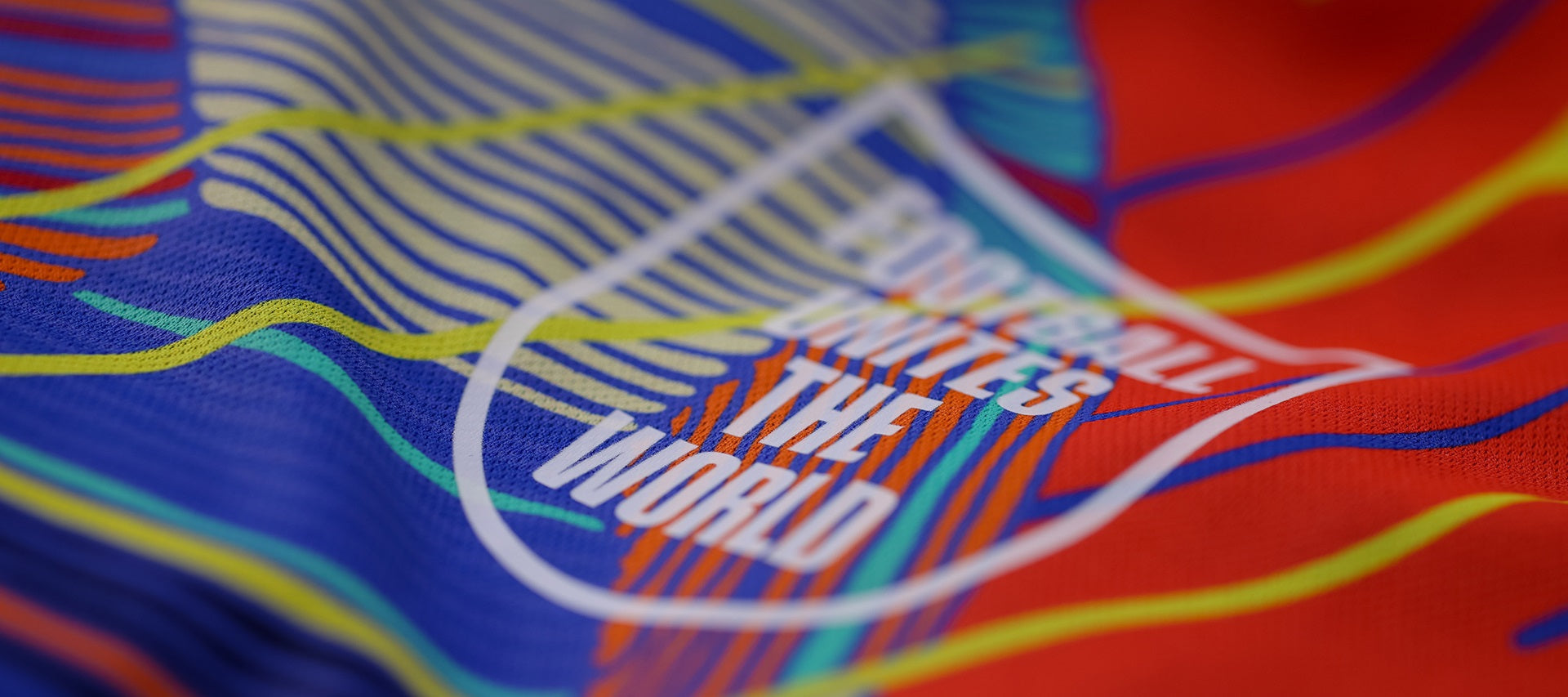
A regular licensed jersey and a collectible artifact both carry official licensing — but they are fundamentally different objects designed for different purposes, priced by different markets, and valued by different communities.
Production Volume
A regular licensed jersey is produced in quantities of tens of thousands or more. It is designed to be widely available, sold through mass retail channels globally, and replaced by next season's model. Scarcity is not a design principle — availability is.
A GOAT SKINS® collectible artifact is produced in a limit of 999 pieces per collection, globally. That limit is permanent and non-negotiable. When 999 are produced, production stops. The piece is not replaced next season — it is a permanent, fixed edition tied to a specific cultural moment.
Authentication
A regular licensed jersey carries a tag or hologram confirming it is officially licensed — meaning it is legitimate merchandise, not a fake. It does not carry authentication for the individual piece. You cannot tap it with a smartphone to confirm which specific jersey it is, who made it, when it was made, or whether it has been previously sold.
A GOAT SKINS® artifact carries an NFC chip embedded at manufacture that contains a unique identifier for that specific piece. Tap it with any smartphone to instantly confirm: which piece it is (e.g. 247 of 999), which collection it belongs to, when it was produced, and the complete ownership history from production to present.
Purpose
A regular licensed jersey is designed to be worn, to represent fandom, and to be replaced. It is a consumable of the sports culture economy.
A GOAT SKINS® artifact is designed to be collected. It is an object of cultural documentation — a physically scarce, verifiably authenticated piece of a specific cultural moment. It can be worn. But it is built to be held.
Price and Market
Regular licensed jerseys are priced for mass accessibility — typically $80–$200 for official replica and authentic versions. Their value does not typically appreciate — they depreciate with age and wear, and become obsolete when replaced.
GOAT SKINS® artifacts are priced as collectibles — reflecting the genuine scarcity, authentication infrastructure, and licensing that the object carries. Because production is permanently limited, the primary market (direct from GOAT SKINS®) is the only guaranteed source — once sold out, they are available only through secondary collector markets.