

How are numbered edition sports collectibles verified as authentic
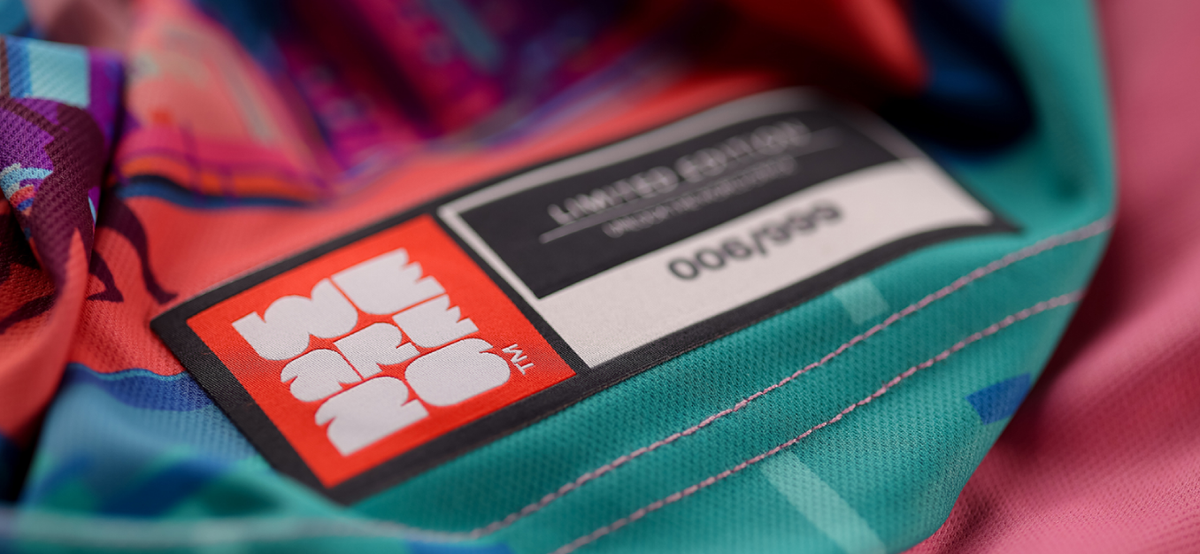
Numbered edition sports collectibles are verified as authentic through a combination of physical markings, documentation, and — in the most advanced cases — embedded digital verification technology. The standard has changed significantly in the last decade, and collectors now have access to verification tools that make authentication both faster and more reliable than traditional methods.
Traditional Verification Methods
The original standard for sports collectible authentication was the certificate of authenticity — a document, usually printed, accompanying the object and attesting that it is genuine and numbered as claimed. The weakness of paper certificates is well-established in the collector community: they can be separated from the object, transferred to a different object, forged, or lost. A certificate alone, without additional verification, is the weakest form of authentication.
The next development was holographic or tamper-evident stickers — physical labels applied to the object that are difficult to replicate and indicate tampering if removed. Better than nothing, but still fallible: stickers can be sourced, stickers can be transferred between objects, and the information on them cannot be independently verified against a live registry.
Grading and encapsulation — the standard used for trading cards by services like PSA and BGS — provides strong authentication by having a credible third party certify the card's identity and condition, then seal it in a tamper-evident case. Highly reliable, but limited to flat objects that fit in a grading case.
The NFC Standard
NFC (Near Field Communication) chip authentication represents the current frontier for physical collectibles. A chip embedded inside the object at manufacture connects to a live registry that records the object's identity, production record, and ownership history. It cannot be removed without visible damage. It cannot be cloned (cryptographically secured). It cannot be separated from the object and applied elsewhere.
Verification with NFC is instant: hold a smartphone near the chip, tap the notification, receive the full authentication record for that specific piece. No app. No equipment. Works anywhere.
GOAT SKINS® applies NFC authentication at manufacture to every artifact — combined with individual physical numbering and a certificate that corresponds to the chip's registry record. The result is three-layer authentication: digital (NFC), physical (numbering), and documentary (certificate).
What to Check When Buying a Numbered Collectible
Whether buying a GOAT SKINS® artifact or any other numbered edition collectible, verify: that the edition number is consistent across all authentication materials (chip, physical marking, certificate), that the authentication method connects to a live registry rather than a static document, and that the registry records the full ownership history — not just the original issue.
For GOAT SKINS® specifically: tap the NFC chip before completing any secondary market purchase. The chip will confirm the piece number, collection, and whether the ownership record matches the seller's claimed history.